RAG systems & knowledge assistants
Most RAG demos fall over on real documents. We build the unglamorous parts properly: ingestion and chunking tuned to your content, hybrid retrieval instead of naive vector search, reranking, citation of the source passage, and an evaluation set so you can prove an answer got better rather than just different.
What you get
The outcomes we hold ourselves to on this work. If we cannot commit to them for your project, we say so during scoping rather than after the invoice.
- Answers grounded in your documents, with the source passage cited
- A measured retrieval quality baseline — not vibes
- Hallucination handled explicitly: the system says when it does not know
- Per-query cost and latency you can see and control
Deliverables
Everything on this list is handed over and documented. Anything outside it is quoted before it is built.
- Ingestion pipeline with chunking and metadata strategy
- Hybrid search: vector plus keyword, with reranking
- Evaluation set and retrieval quality scoring
- Answer synthesis with inline citations
- Access control so users only retrieve what they may read
- Cost, latency and token dashboards
Typical timeline
Most engagements of this type run 3–10 weeks end to end. Step four absorbs the difference between the short and long end of that range.
Discovery call
30 minutes, freeWe walk through what you are building, who it is for, and what has to be true for the project to count as a success. You leave with a rough scope, a rough number and an honest read on whether we are the right team.
You receive: Written scope summary within 24 hours
Proposal & fixed scope
2–3 daysA written proposal: milestones, deliverables, timeline, price and explicit exclusions. No hourly surprises — you approve a scope, and changes to it are quoted before any work starts.
You receive: Proposal, contract and milestone schedule
Architecture & design
Week 1Data model, API contracts and infrastructure plan on paper before code. UI work starts in Figma so you approve screens rather than reviewing half-built pages.
You receive: Architecture doc, ER diagram, approved designs
Build in weekly sprints
Bulk of the projectWorking software every week on a staging URL you can click through. A short written update each Friday: what shipped, what is next, anything blocking. You are never guessing where the project stands.
You receive: Staging environment, weekly demo and written update
Test, harden & launch
Final 1–2 weeksAutomated tests in CI, load and failure-path testing, security review, performance budgets, then a rehearsed deploy with a rollback plan. Launch day is uneventful by design.
You receive: Test suite, CI pipeline, production deployment
Handover & support
OngoingDocumentation, a recorded walkthrough and a 30-day warranty on everything we shipped. If you want us to keep operating it, a maintenance retainer picks up from there.
You receive: Docs, walkthrough video, 30-day warranty
Questions we get asked
- Do we need to fine-tune a model?
- Almost never at the start. Retrieval quality, chunking and prompt structure account for most of the gap between a bad assistant and a good one, and they are far cheaper to iterate on. We revisit fine-tuning only once retrieval is measured and still short.
- Can it run on our own infrastructure?
- Yes. Open-weight models on your own GPUs, or a hosted API — the retrieval layer is the same either way, so the decision is about compliance and cost, not architecture.
Where this has shipped
Case studies with the numbers we measured, including the ones that did not move.
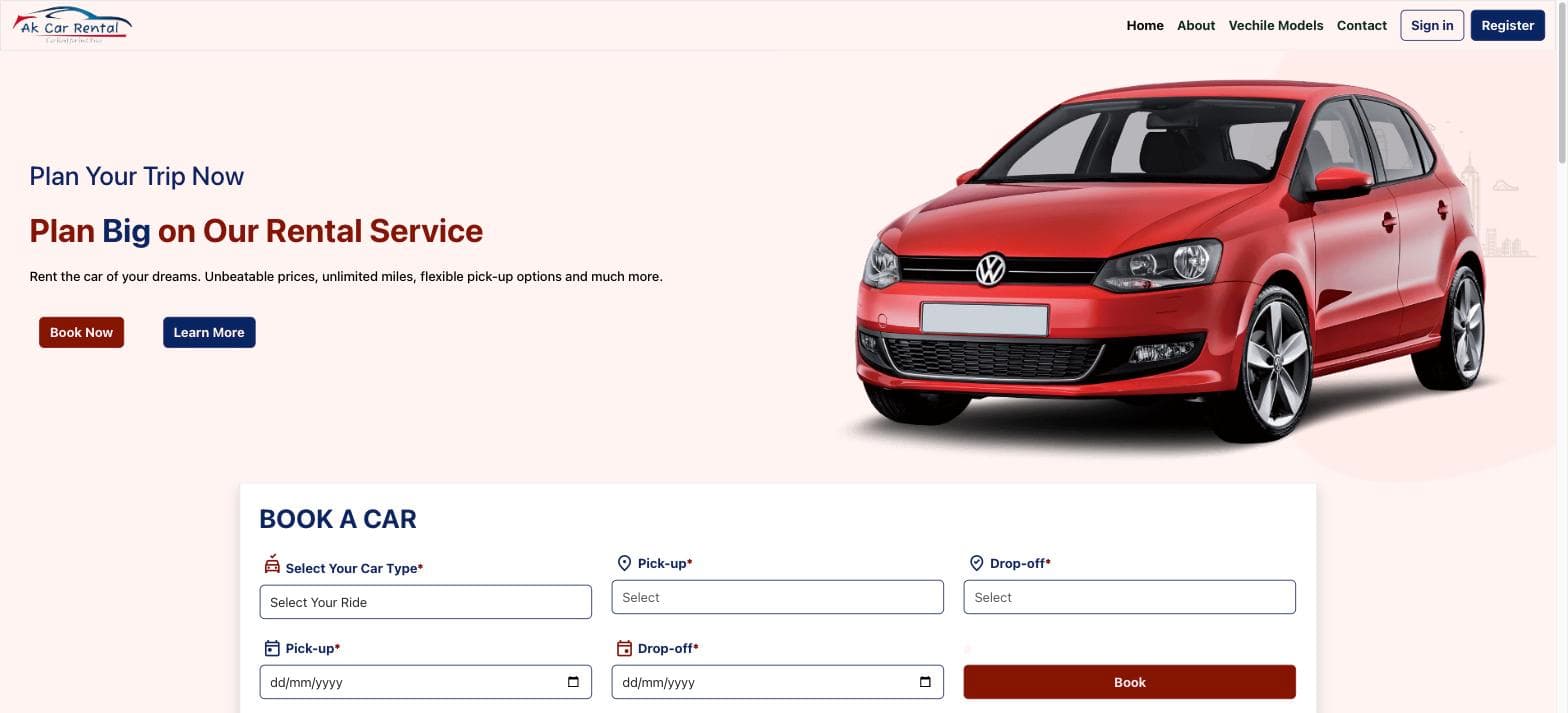
AK Car Rental
A car rental booking platform — accounts, a vehicle catalogue, and a booking form that captures type, locations and dates in a single pass.
Client projectRead case study
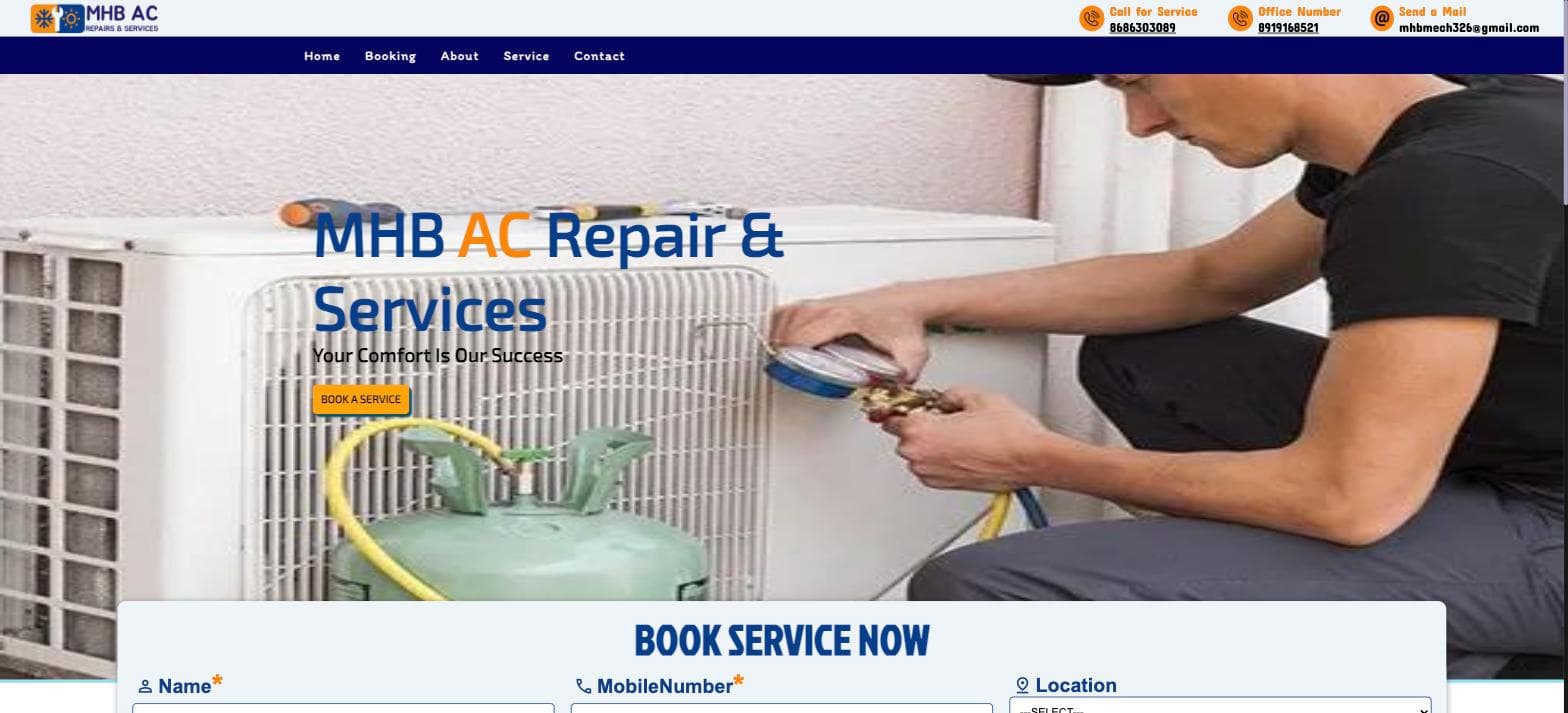
MHB AC Repair & Services
A service business site built around one job: turn a visitor into a booked call-out, on a phone, in under a minute.
Client projectRead case study

Fashion Storefront
A clothing storefront with category browsing, a cart that survives navigation, and a best-sellers carousel on the landing page.
Client projectRead case study
Usually paired with this
Most projects combine two or three of these. We scope them as one engagement rather than separate invoices.
End-to-end web applications
Full product builds — from empty repo to live, monitored deployment.
4–12 weeksFrom $96
Android & iOS applications
Cross-platform mobile apps that ship to both stores from one codebase.
6–16 weeksQuoted per project
Agentic AI & autonomous modules
Agents that do work, with limits, logging and a human in the loop.
4–12 weeksQuoted per project
Need rag systems & knowledge assistants?
Tell us what you are working with — existing code, a blank repo, or a deadline you are worried about. Packages for this start at $108, and anything outside them gets a written scope and a number within 24 hours.
Replies within 4 business hours · No obligation · You keep the scope document